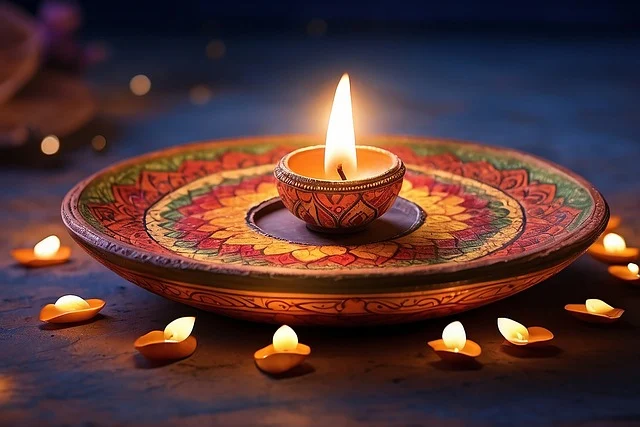
Diwali, also known as Deepavali, is one of the most celebrated and eagerly anticipated festivals in India and many parts of the world. Symbolizing the triumph of light over darkness, good over evil, and knowledge over ignorance, it brings people together in a festive spirit of joy, prosperity, and hope. Traditionally associated with Hinduism, Diwali is also celebrated by followers of Jainism, Sikhism, and Buddhism, each infusing their unique interpretations and rituals into the festival.
When is Diwali Celebrated?
In 2024, Diwali will be celebrated on Friday, November 1st, with a five-day sequence of events leading up to and following the main day of the festival. Diwali falls on the 15th day of the Hindu month of Kartik, which typically occurs between mid-October and mid-November. The main day of Diwali, often referred to as Lakshmi Pujan, is celebrated on the darkest night, or Amavasya, of Kartik.
Diwali 2024 Schedule
- Day 1 (Dhanteras): October 29, 2024 (Tuesday)
- Day 2 (Kali Chaudas/Narak Chaturdashi): October 30, 2024 (Wednesday)
- Day 3 (Chhoti Diwali): October 31, 2024 (Thursday)
- Day 4 (Diwali/Lakshmi Pujan): November 1, 2024 (Friday)
- Day 5 (Govardhan Puja): November 2, 2024 (Saturday)
- Day 6 (Bhai Dooj): November 3, 2024 (Sunday)
The festival kicks off with Dhanteras, the first day, and ends with Bhai Dooj. Each day holds a special significance, building up to the grandeur of Diwali itself.
Rituals and Celebrations
Diwali is not just a single-day event but a five-day celebration filled with distinct customs and traditions.
1. Dhanteras
The first day marks the beginning of the festival. “Dhan” means wealth, and on this day, people buy new items, especially gold, silver, and kitchen utensils, symbolizing prosperity. Homes are cleaned, and people decorate the entrance with colorful rangolis to welcome Goddess Lakshmi, the deity of wealth and prosperity.
2. Narak Chaturdashi (Chhoti Diwali)
The second day, also known as Chhoti Diwali, commemorates the victory of Lord Krishna over the demon Narakasura. In many households, oil baths are taken early in the morning, and people light diyas (earthen lamps) to remove negativity and darkness from their lives.
3. Lakshmi Pujan (Main Diwali)
The third day is the main event, when the night sky is illuminated with rows of diyas and fireworks. Lakshmi Pujan is performed in the evening, with families praying to Goddess Lakshmi and Lord Ganesha for wealth, prosperity, and wisdom. Homes are brightly lit with oil lamps and adorned with decorations.
The evening also involves sharing gifts, sweets, and greetings among friends and neighbors. Traditional sweets like laddoos, barfis, and jalebis are a staple of the festivities.
4. Govardhan Puja (Annakut)
On the fourth day, people in parts of India, particularly North India, celebrate Govardhan Puja, commemorating Lord Krishna lifting the Govardhan Hill to protect villagers from a torrential downpour. In some regions, this day is also observed as Annakut, where food offerings are made to the deities in large quantities, signifying abundance.
5. Bhai Dooj
The festival concludes with Bhai Dooj, a day celebrating the bond between brothers and sisters. Similar to Raksha Bandhan, sisters perform a ritual by applying tilak on their brothers’ foreheads and praying for their well-being, while brothers pledge to protect their sisters.
The Spiritual Significance of Diwali
At its core, Diwali symbolizes the victory of light over darkness, both physically and spiritually. It is the celebration of goodness, hope, and new beginnings. The lighting of lamps during the festival is deeply symbolic—it represents the removal of spiritual ignorance and the awakening of inner knowledge.
Hindu Mythological Connections
Diwali is celebrated for various reasons across India, all connected to ancient Hindu mythology:
- Lord Rama’s Return to Ayodhya: The most popular legend behind Diwali is from the Hindu epic, the Ramayana. After a 14-year exile and defeating the demon king Ravana, Lord Rama returns to Ayodhya with his wife Sita and brother Lakshmana. The people of Ayodhya lit up the entire kingdom with diyas to welcome their beloved king home, marking the origin of Diwali as a festival of lights.
- Victory of Lord Krishna over Narakasura: In southern parts of India, Diwali celebrates Lord Krishna’s victory over the evil demon Narakasura, symbolizing the triumph of good over evil.
- Goddess Lakshmi’s Birthday: Diwali also coincides with the birthday of Goddess Lakshmi, the goddess of wealth, who emerged from the ocean of milk during the Samudra Manthan (the churning of the ocean). On this day, worship is directed toward Lakshmi to bring prosperity to homes and businesses.
- Pandavas’ Return: In some regions, Diwali commemorates the return of the Pandavas from their 13-year exile, as described in the Mahabharata.
Diwali Celebrations Worldwide
Though primarily a Hindu festival, Diwali is celebrated with great enthusiasm across different communities worldwide.
- In India: While customs differ by region, the essence of Diwali remains the same—families clean their homes, decorate with rangolis, light diyas, burst firecrackers, and exchange gifts.
- In Nepal: Diwali, known as Tihar, is a five-day celebration that honors not only gods and humans but animals like cows and crows. They celebrate the bond between humans and animals and recognize their importance in daily life.
- In Mauritius, Fiji, and the Caribbean: Large Hindu populations celebrate Diwali with similar traditions of lighting diyas, worship, and communal feasts.
- In the UK and USA: Diwali is celebrated with grand public events, temple worship, and cultural performances, especially in cities with large Indian diasporas.
Sustainability and Modern-Day Diwali
In recent years, there has been a growing movement toward celebrating Diwali in a more environmentally conscious way. With concerns over pollution from firecrackers and the environmental impact of large-scale festivities, many people have opted for eco-friendly Diwali celebrations. The use of green crackers, avoiding plastic decorations, and choosing organic diyas and rangoli powders have become popular among those seeking to honor tradition while caring for the planet.
Conclusion
Diwali is a festival that transcends religious boundaries, bringing people together in a spirit of happiness, generosity, and light. It is a time for family, celebration, and reflection, as people not only clean their homes but also their hearts, letting go of past grievances and starting afresh. Whether through the story of Lord Rama, the defeat of Narakasura, or the birth of Goddess Lakshmi, Diwali holds a special place in the hearts of millions, continuing to shine as one of the world’s most beloved festivals.